
ERP Software Industries Food & Beverage Manufacturing
Food and Beverage ERP Software for FDA, FSMA and Food Safety Compliance
Manage batch production, recipe control, ingredient traceability, supplier quality, inventory management and financial operations within a single ERP system built for FDA food safety regulations, SQF compliance, HACCP programs and multi-location food manufacturing.
Built for Food and Beverage Manufacturing Leadership
QT9 ERP supports the operations, quality, supply chain and finance leaders responsible for managing modern food and beverage manufacturing organizations.
Production and Manufacturing Leadership
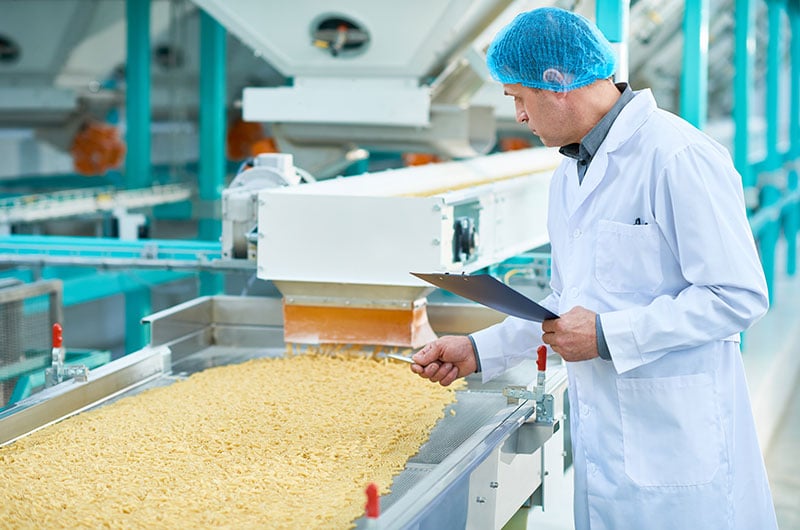
Gain real-time visibility and control across food production operations.
- Batch production management across mixing, cooking and packaging
- Recipe version control across product formulations
- Production scheduling across manufacturing lines
- Yield and batch variance tracking across production runs
Quality and Food Safety Teams
Maintain food safety controls and regulatory compliance.
- HACCP and food safety documentation across production workflows
- Lot traceability tracking from ingredients to finished products
- Quality inspections and testing across production batches
- Recall readiness reporting with instant traceability
Supply Chain and Operations Leaders
Coordinate ingredients, suppliers and inventory across operations.
- Ingredient lot tracking across receiving and production
- Supplier qualification management for food safety compliance
- MRP demand planning aligned with production forecasts
- Inventory visibility across warehouses and production facilities
Finance and IT Leadership
Gain financial transparency and deploy a scalable ERP platform.
- Cost of goods tracking by batch and finished product
- Inventory valuation across ingredients and finished goods
- Role-based system controls supporting secure operations
- Scalable ERP infrastructure supporting multi-site operations
Trusted by Food and Beverage Manufacturers
Used by manufacturers across food processing, beverage production, nutraceuticals and regulated consumer goods industries.
Built for Food Production
Unified ERP + QMS Platform
Scalable for Growing Brands
Operational Benefits of Food and Beverage ERP
QT9 ERP helps food manufacturers maintain ingredient traceability, improve production efficiency and scale operations while meeting food safety requirements.
Accelerate Production
Coordinate recipe planning, materials and batch production to keep manufacturing lines running efficiently.
Reduce Recall Risk
Maintain full forward and backward traceability from ingredient suppliers to finished product distribution.
Improve Operational Visibility
Replace spreadsheets and manual logs with real-time production, inventory and quality data.
Scale Food Manufacturing
Support growing product lines, facilities and distribution channels within one integrated platform.
Measure the Financial Impact of Quality Issues
Challenges Food Manufacturers Face Without Purpose-Built ERP
Recipes, ingredient data and production records are often stored across spreadsheets and disconnected systems. This makes it difficult to maintain consistent product formulations and manufacturing documentation.
Without integrated traceability, identifying which ingredient lots were used in specific production batches becomes difficult during quality investigations or recalls.
Manual scheduling and spreadsheet-based production planning limit visibility into manufacturing capacity and material availability.
Food safety programs such as HACCP and quality inspections are often managed separately from production operations, creating documentation gaps.
Food manufacturers must quickly identify affected products during recalls. Disconnected systems make traceability and regulatory reporting more difficult.
Food and Beverage ERP Software Built for Regulatory Control and Batch Traceability
Food and beverage ERP software is an enterprise system designed specifically for regulated food manufacturers. It connects recipe management, batch production, ingredient lot tracking, quality processes, inventory control, and financial operations within one platform built to support food safety and regulatory compliance. Unlike generic ERP systems, food ERP must manage expiration dates, allergen controls, traceability requirements, and recall readiness in real time.
Food manufacturers operate in a highly regulated environment where every ingredient and production step must be documented and traceable. QT9 ERP supports FDA food safety regulations, FSMA requirements, HACCP programs, and SQF certification through structured workflows, lot-level tracking, and inspection-ready recordkeeping.
QT9 ERP provides purpose-built functionality for manufacturers of packaged foods, beverages, nutritional supplements, and co-packed products. The system supports recipe control, batch production, expiration management, allergen tracking, and complete forward and backward lot traceability, giving manufacturers the visibility and control needed to produce safe products profitably.
Why Food and Beverage Manufacturers Choose QT9 ERP
Ingredient Potency & Formulation Consistency
Ingredient potency varies across raw materials and suppliers. QT9 ERP tracks and manages ingredient strength to ensure consistent formulation, accurate nutritional values, and reliable product quality across every batch.
Ingredient Potency Tracking
Formulation Accuracy
Batch Consistency
Nutritional & Compliance Alignment
ERP Features Built for Food and Beverage Manufacturers
Electronic Batch Records
Standardize recipes and manage batch production with version control and revision tracking.
Batch & Lot Traceability
Track ingredients and finished goods through every stage with full traceability.
Expiration Monitoring
Automate expiration tracking to reduce waste and prevent expired product shipments.
Compliance Tools
Built-in support for FSMA, HACCP and GFSI, including validation and audit trails.
CAPA Tracking
Quickly respond to quality issues with automated corrective and preventive action workflows.
Supplier Management
Track approved vendors, incoming inspections and supplier audits all in one system.
FIFO/LIFO Inventory
Optimize raw material usage based on lot aging to reduce spoilage.
Mobile Reporting
Capture shop floor data in real time using tablets or mobile devices.
Pre-Validated Platform
QT9 ERP comes fully validated saving you time and costs.
Potency Management
Maintain consistent ingredient strength across formulation and nutrition.
Real-Time Production Tracking
- Job-based manufacturing with recipe BOMs
- Operation-level progress tracking
- Material consumption verification via barcode
- Labor and equipment time capture
- Batch yield and variance reporting
- WIP (Work-in-Process) inventory valuation
Quality Integrated Into Production
- In-line quality checks during production
- Hold and release workflow for finished batches
- Quarantine inventory for investigation
- Lot disposition (approved, rejected, rework)
- Customer complaint linkage to production lots
- Root cause analysis and CAPA workflow
Flexible Production Modes
- Make-to-stock batch production
- Make-to-order custom formulations
- Campaign production for seasonal items
- Batch splitting and consolidation
- Rework and re-blending operations
- Co-packing for multiple brands
Unified ERP and QMS Platform for Food and Beverage Manufacturers
For food manufacturers requiring comprehensive food safety management beyond production execution, QT9 QMS integrates natively with QT9 ERP:
Food Safety Modules:
- HACCP plan management and CCP monitoring
- SQF and FSMA compliance documentation
- Environmental monitoring programs
- Sanitation and cleaning schedules
- Supplier approval and audit management
- Customer complaint and recall procedures
- Corrective and preventive actions (CAPA)
- Training records and competency tracking
- Document control for SOPs and specifications
- Internal audit and continuous improvement
- ISO 22000, SQF, BRC, and FSSC 22000 support
Financial Management for Food Manufacturing
- Material costs tied to supplier lot receipts
- Recipe-based standard costing
- Labor capture via shop floor time tracking
- Manufacturing overhead allocation by work center
- Waste and scrap cost analysis
- Inventory valuation (FIFO, Average, Standard)
- Inventory accounts: Raw materials (ingredients, packaging), WIP, finished goods
- COGS accounts: Direct materials, direct labor, overhead, freight
- Expense accounts: Utilities, waste disposal, quality testing, compliance
- Revenue accounts: Product sales, co-packing services, private label
- Pre-configured templates for food manufacturing operations
- Real-time WIP balance by batch
- WIP-to-GL reconciliation for month-end close
- Batch completion moves costs from WIP to finished goods
- Material variance and yield loss tracking
- Labor efficiency by operation
- Profit & Loss by product line, customer, or brand
- Balance Sheet with inventory detail
- Cash Flow Statement
- Comparative period analysis
- Trial Balance and GL detail
- Gross margin by product and customer
- Inventory turnover and days on hand
- Waste and scrap percentage by recipe
- Yield efficiency (actual vs. planned)
- On-time delivery to customers
- Supplier quality and on-time performance
- Co-packing profitability analysis
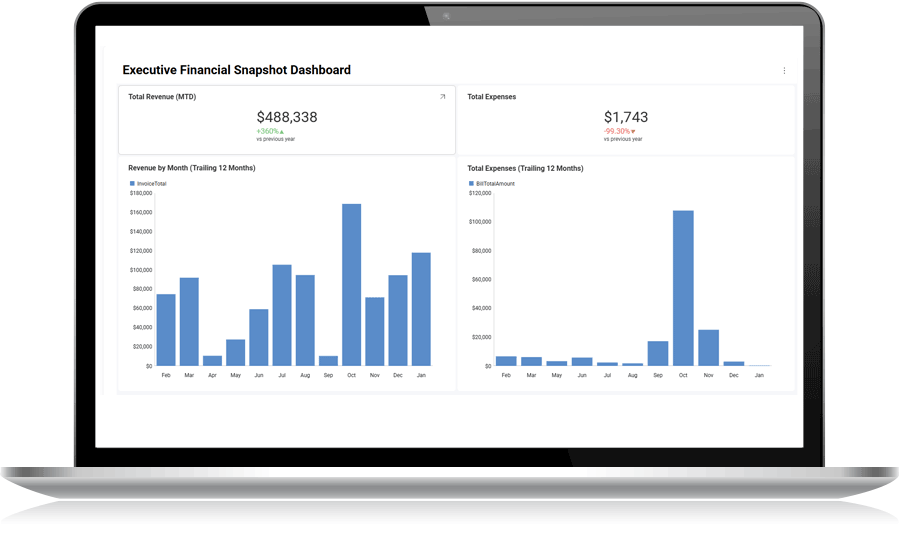
Standard Financial Reports
- Balance Sheet with inventory detail
- Profit & Loss by department, product line, or customer
- Cash Flow Statement with working capital analysis
- Trial Balance and account detail
- Comparative financials (month-over-month, year-over-year)
Manufacturing KPIs and Analytics
- Gross margin by product, customer, and sales channel
- Inventory turnover and days on hand
- Manufacturing efficiency: planned vs. actual hours
- On-time delivery percentage
- Order backlog and revenue pipeline
- Purchase price variance by supplier
ERP Software for Food Processing, Beverage Manufacturing, Nutraceuticals and Co-Packing
Food Processing and Packaging
- Fresh and frozen foods
- Prepared meals and meal kits
- Baked goods and confectionery
- Dairy processing (cheese, yogurt, ice cream)
- Meat and seafood processing
- Sauces, dressings, and condiments
- Snack foods and nutrition bars
Beverage Manufacturing
- Soft drinks and carbonated beverages
- Juices and smoothies
- Coffee and tea processing
- Craft beer and brewing
- Wine and spirits production
- Energy drinks and functional beverages
- Bottling and packaging operations
Nutritional Supplements and Nutraceuticals
- Vitamins and dietary supplements
- Protein powders and sports nutrition
- Herbal and botanical extracts
- Encapsulation and tableting
- Powder blending and mixing
- GMP and FDA 21 CFR Part 111 compliance
Co-Packing and Contract Manufacturing
- Private label production for retail brands
- White-label manufacturing
- Recipe customization per customer
- Customer-specific packaging and labeling
- Consignment inventory management
- Customer portal for order visibility
Specialty and Artisan Foods
- Organic and natural foods
- Allergen-free and clean-label products
- Gluten-free, vegan, and specialty diets
- Farmers market and small-batch producers
- Direct-to-consumer and e-commerce fulfillment
- Kosher and Halal certification tracking
ERP Implementation Without the Guesswork
QT9 uses a structured implementation model to help growing organizations deploy ERP with clarity and control. From planning and data preparation to training and go-live, each phase follows defined milestones and measurable readiness criteria — keeping your team aligned & your rollout on track.
Implementation Planning + On-Site Discovery
Every successful ERP rollout begins with clarity. In this phase, we define objectives, scope, timelines and internal ownership. Through structured discovery sessions, we assess your current workflows, reporting needs and operational priorities. This ensures your QT9 ERP environment is aligned to real business requirements — not assumptions — before configuration begins.
Small Food Startup
- Affordable entry point with full food manufacturing functionality
- Concurrent user licensing keeps costs predictable
- 3-4 month implementation timeline
- Core modules: Recipes (BOM), Batch Production, Lot Tracking, Purchasing, Sales, Inventory
Mid-Size Food Manufacturers
- Multi-location and multi-facility operations
- Co-packing and private label production
- Advanced lot tracing and recall readiness
- Business intelligence and custom dashboards
- Customer and supplier portals
Enterprise Food Manufacturers
- Multi-plant operations with centralized visibility
- Global traceability across supply chain
- Advanced automation and API integrations
- Dedicated implementation and professional services


FAQ: Food and Beverage ERP
QT9 ERP supports allergen tracking by tagging ingredients with allergen attributes in the item master. When you build recipes using BOMs, the system can auto-generate allergen declarations based on the ingredients used. You can also track cross-contamination risks by production line and manage customer-specific allergen labeling requirements.
Yes. QT9 ERP provides complete forward and backward lot traceability. You can track which supplier lots were received, which ingredient lots were consumed in each production batch, and which customers received specific finished product lots. In a recall scenario, you can instantly identify affected batches and customers.
Yes. QT9 automatically calculates expiration dates at receipt and production based on shelf-life parameters. The system supports FEFO (First Expired, First Out) allocation, aging reports, and alerts for materials approaching expiration. You can also quarantine and manage disposal of expired inventory.
Yes. QT9 allows you to scale recipes automatically to target batch sizes while maintaining ingredient ratios. You can define recipes by percentage or fixed quantity, and the system will calculate required materials for any batch size. Yield tracking compares actual vs. expected output.
Yes. QT9 ERP is ideal for co-packers managing multiple brands and customer-specific recipes. You can create customer-specific BOMs, track consignment inventory, manage private label production, and provide customers with portal access to view order status and production history.
Typical timelines: 6-12 months for food and beverage manufacturers. Timeline depends on recipe complexity, number of sites, data migration and customer resource availability.
Yes. QT9 ERP supports electronic batch records, CCP monitoring, lot traceability, and production documentation required for HACCP, SQF, and FSMA compliance. For comprehensive food safety management, QT9 QMS integrates natively and adds modules for HACCP plans, environmental monitoring, supplier audits, sanitation schedules, and more.
Yes. QT9 tracks rework lots, allows you to create jobs to reprocess or re-blend materials, and manages co-products and by-products in the BOM. Scrap and waste are captured at the operation level for cost analysis and continuous improvement.
Standard reports include lot traceability, batch production history, inventory valuation, yield analysis, waste/scrap reports, customer shipment history, supplier performance, and financial statements. Optional Business Intelligence (BI) Tool enables custom dashboards and KPI tracking.
More Manufacturing ERP Resources

ERP Implementation Guide: What to Expect and How to Prepare
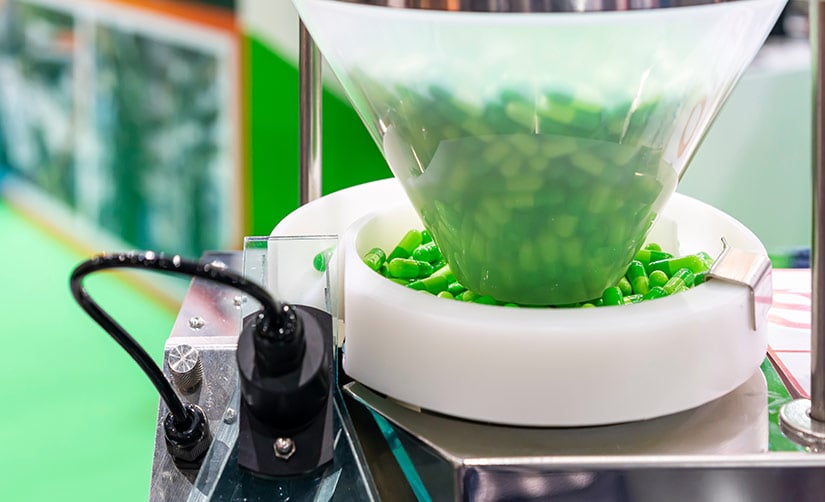
How Electronic Batch Record Systems Keep Production Moving and Quality Connected
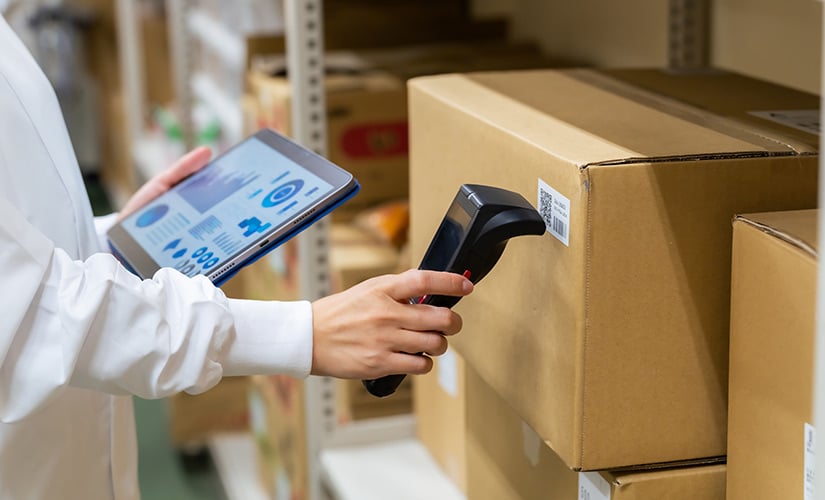
How to Choose the Right Traceability Software for Regulated Manufacturing
Try QT9 for Free
Ready to unify your business processes? No credit card needed.