
ERP Software Industries General Manufacturing
Manufacturing ERP Software for Production, Inventory and Financial Control
Connect production, inventory, purchasing, and financial operations within a single ERP platform designed to provide real-time visibility, traceability and control across manufacturing operations.
Built for Manufacturing Leadership
QT9 ERP supports the operations, supply chain, finance and technology leaders responsible for managing modern manufacturing organizations.
Production and Manufacturing Leadership
Gain real-time visibility and control across production operations.
-
Production scheduling across machines and work centers
-
Work order management across manufacturing operations
-
Shop floor visibility into job progress and labor tracking
-
Production bottleneck detection before delivery deadlines
Quality and Continuous Improvement Teams
Maintain product quality and standardized manufacturing processes.
- Inspection and quality tracking across production workflows
- CAPA and corrective action management for process improvement
- Material traceability across raw materials and finished goods
- Quality documentation control for inspections and audits
Supply Chain and Operations Leaders
Coordinate materials, suppliers and production planning.
- Supplier management and approved vendor tracking
- MRP demand planning aligned with sales forecasts
- Inventory visibility across warehouses and production floors
- Material staging for upcoming production jobs
Finance and IT Leadership
Gain financial transparency and deploy a secure ERP platform.
- Cost of goods tracking by product and manufacturing job
- Inventory valuation across locations and warehouses
- Role-based system controls supporting secure operations
- Scalable ERP infrastructure supporting multi-site operations
Trusted by Modern Manufacturers
Used by manufacturers across life sciences, medical devices, aerospace, automotive and industrial manufacturing.
Built for Manufacturing Operations
Unified ERP + QMS Platform
Scalable for Growing Operations
Operational Outcomes with Manufacturing ERP
QT9 ERP helps manufacturers improve production efficiency, gain financial visibility and scale operations with confidence.
Improve On-Time Delivery
Coordinate production scheduling, materials and capacity planning to consistently meet customer deadlines.
Gain Complete Operational Visibility
Track production jobs, inventory, labor and costs across every department in real time.
Control Manufacturing Costs
Capture material, labor and overhead costs at the job and operation level to protect margins.
Scale Manufacturing Operations
Support make-to-order, batch and mixed-mode manufacturing across multiple facilities.
Measure the Financial Impact of Quality Issues
Challenges Manufacturers Face
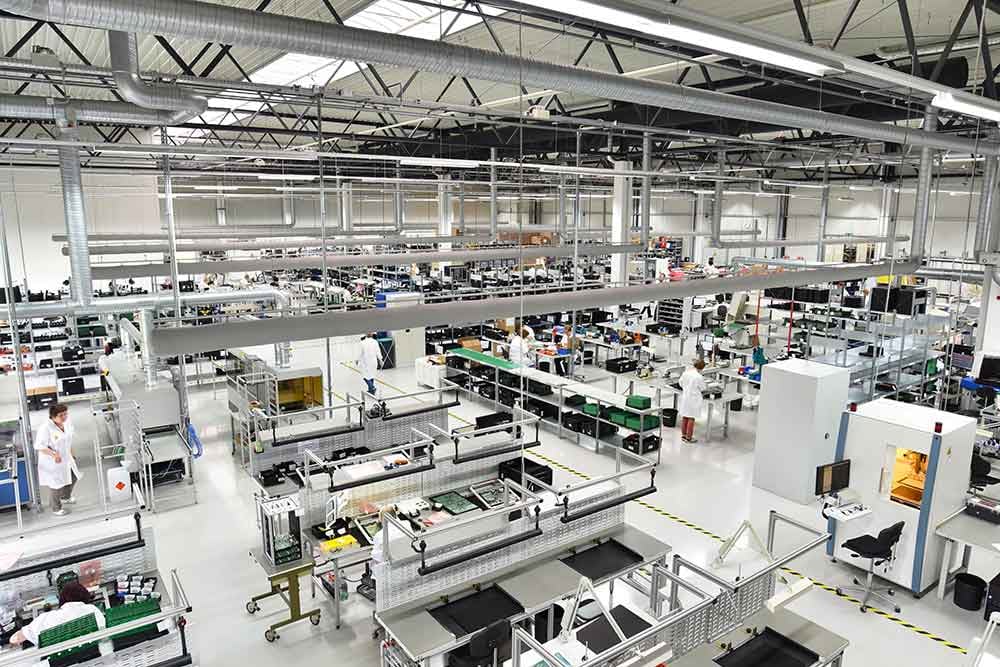
Production scheduling, inventory tracking and purchasing often operate in separate systems. This disconnect creates delays, inaccurate inventory data and poor coordination between departments.
Without real-time production tracking, manufacturers struggle to monitor job progress and work center utilization. Managers often rely on manual updates instead of accurate production data.
Many manufacturers still plan production using spreadsheets or manual scheduling tools. These approaches make it difficult to adjust schedules quickly when demand or material availability changes.
Tracking material, labor and overhead costs across multiple systems often leads to inaccurate cost reporting. Without reliable data, manufacturers struggle to understand true product margins.
When purchasing and production planning are disconnected, materials may arrive late or in incorrect quantities. This creates production delays and increases inventory carrying costs.
Manufacturing ERP Software
QT9 ERP for Manufacturing is available cloud-based or on-premise to help manufacturers manage production, inventory, purchasing, quality and compliance within a single integrated platform.
General manufacturers face relentless pressure to deliver products on time, control costs, and scale operations without sacrificing quality or customer satisfaction. Whether you're producing automotive components, industrial equipment, electronics, consumer goods, or precision-machined parts, you need an ERP system that understands manufacturing operations—not generic business software with a manufacturing add-on.
QT9 ERP delivers purpose-built capabilities for discrete manufacturers managing complex bills of materials (BOM), multi-step production routings, inventory across multiple locations and customer-specific configurations. From job shops and make-to-order operations to repetitive batch production and mixed-mode manufacturing, QT9 ERP provides the operational control, real-time visibility, and cost tracking required to compete and grow profitably.

Why General Manufacturers Choose QT9 ERP
ERP Features Tailored for Manufacturers
Bill of Materials
Manage multi-level BOMs, revisions and engineering change orders with ease.
Production Scheduling
Optimize shop floor operations, balance capacity and create efficient production schedules.
Inventory Management
Control raw materials, WIP and finished goods, with lot and serial-number tracking.
Quality Integrations
Synchronize quality events like CAPAs, NCRs and audits directly with production.
Supplier Management
Manage supplier qualifications, performance and documentation in one place.
Shop Floor Control
Multi-Site Support
Manage operations across multiple plants and entities from a single, unified system.
Job Costing
Accurately track costs associated with each production job, providing insights into profitability.
Financial Management for Manufacturing
- Material costs tied to actual purchase orders and receipts
- Labor costs captured via shop floor time tracking
- Manufacturing overhead allocation by work center or job
- Standard cost vs. actual cost variance reporting
- Inventory valuation with FIFO, Average, or Standard costing
- Regulatory cost tracking
- Compliance cost allocation
- Validation cost management
- Real-time WIP balance by job and operation
- WIP-to-GL reconciliation for period close
- Job completion moves costs from WIP to finished goods inventory
- Month-end WIP valuation reports
- Labor and material variance analysis
- Raw material cost by batch
- Labor cost allocation
- Equipment and overhead costs
- Packaging and labeling costs
- Testing and quality control costs
- Total cost per batch and per unit
- Cost of goods sold (COGS)
Job profitability - Material, labor, and overhead by job
- Standard vs. actual cost variance
- Customer and part profitability
- Quote vs. actual cost comparison
- Margin analysis by product line
- Pricing optimization insights
- Inventory accounts: Raw materials, WIP, finished goods, MRO supplies
- COGS accounts: Direct materials, direct labor, manufacturing overhead, freight
- Expense accounts: Indirect labor, utilities, depreciation, quality costs
- Revenue accounts: Product sales, shipping revenue, service revenue
- Pre-configured account templates for manufacturers
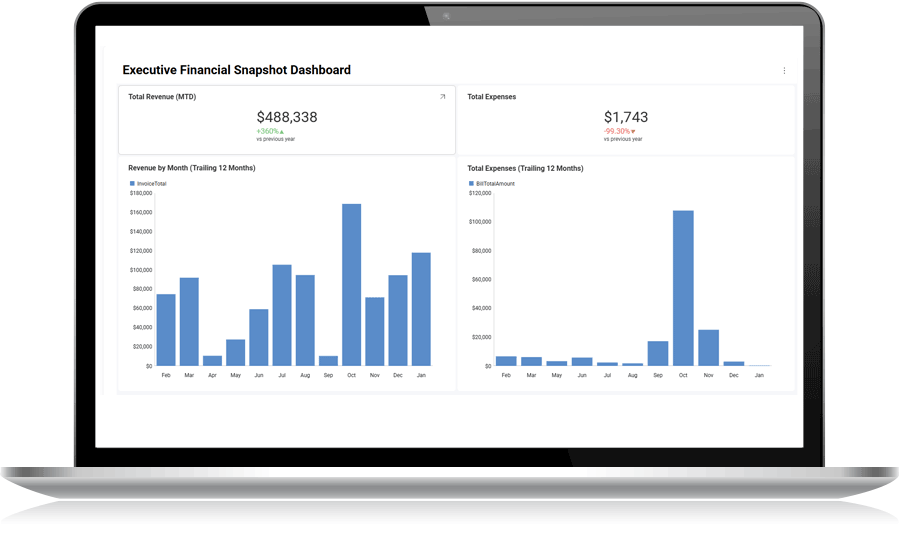
Standard Financial Reports
- Balance Sheet with inventory detail
- Profit & Loss by department, product line, or customer
- Cash Flow Statement with working capital analysis
- Trial Balance and account detail
- Comparative financials (month-over-month, year-over-year)
Manufacturing KPIs and Analytics
- Gross margin by product, customer, and sales channel
- Inventory turnover and days on hand
- Manufacturing efficiency: planned vs. actual hours
- On-time delivery percentage
- Order backlog and revenue pipeline
- Purchase price variance by supplier
Lean Manufacturing and Continuous Improvement
|
|
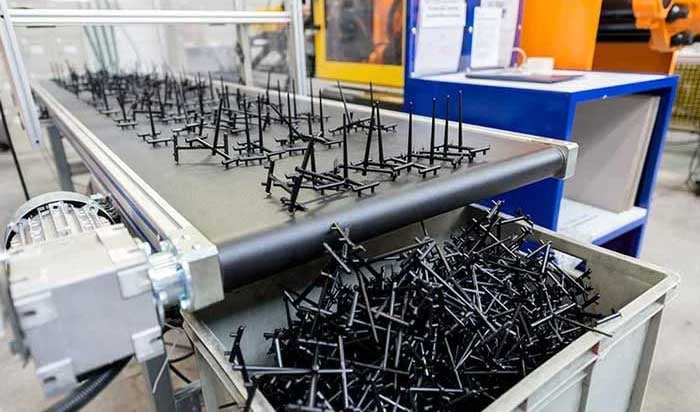
Waste Reduction and Process Improvement
|
|
|
Quality and Process Control
|

|
|
Performance Metrics and OEE
|
QT9 QMS Integration for
Quality Management
For manufacturers requiring comprehensive quality management beyond production execution, QT9 QMS integrates natively with QT9 ERP:
Quality System Modules:
- Document control for SOPs, work instructions, and specifications
- Corrective and preventive action (CAPA) management
- Supplier quality and audit management
- Customer complaint tracking
- Training records and competency management
- Inspection plans with accept/reject criteria
- Change control for engineering changes
- ISO 9001, AS9100, IATF 16949 support

ERP Implementation Without the Guesswork
QT9 uses a structured implementation model to help growing organizations deploy ERP with clarity and control. From planning and data preparation to training and go-live, each phase follows defined milestones and measurable readiness criteria — keeping your team aligned & your rollout on track.
Implementation Planning + On-Site Discovery
Every successful ERP rollout begins with clarity. In this phase, we define objectives, scope, timelines and internal ownership. Through structured discovery sessions, we assess your current workflows, reporting needs and operational priorities. This ensures your QT9 ERP environment is aligned to real business requirements — not assumptions — before configuration begins.
Small Manufacturers
- Affordable entry point with full manufacturing functionality
- No per-user licensing—concurrent user model keeps costs predictable
- 3-4 month implementation timeline
- Core modules: BOM, Jobs, Purchasing, Sales, Inventory, Accounting
Mid-Size Manufacturers
- Multi-location and multi-site operations
- Advanced scheduling and capacity planning
- Customer and supplier portals
- Business intelligence and custom reporting
- Integration with CAD, CRM, and e-commerce platforms
Enterprise Manufacturers
- Global operations with centralized visibility
- Multi-company and inter-company transactions
- Advanced automation and API integrations
- Dedicated implementation and professional services support
QT9 ERP vs SAP, Oracle, Microsoft Dynamics and Infor
The Tier 1 ERP Alternative for Manufacturers
If you're evaluating SAP, Oracle NetSuite, Microsoft Dynamics 365, or Infor, you're likely comparing implementation cost, timeline, licensing, and long-term total cost of ownership.

FAQ: Manufacturing ERP
Yes. QT9 ERP supports unlimited inventory locations including warehouses, production floors, external storage, and customer consignment sites. Track inventory by location with bin/shelf-level detail. Transfer inventory between locations with full traceability. Consolidated inventory reporting across all sites.
Yes. QT9 ERP integrates seamlessly with QuickBooks Online, QuickBooks Desktop, Xero, and Sage 50. Automated journal entries for inventory transactions, AP bill creation from POs, AR invoice generation from shipments, and GL account mapping. Can also operate as a standalone system with built-in accounting.
Typical implementation timelines: 3-4 months for small manufacturers, 4-6 months for mid-size operations, 6-12 months for multi-site enterprises. Timeline depends on data complexity, customization requirements, and customer resource availability.
QT9 ERP subscription includes: User training, unlimited support tickets, free software updates, cloud hosting, concurrent user licensing (not per-user), implementation project management, and access to all core modules.
Optional add-ons: Business Intelligence Tool, additional user licenses, custom reports, and professional services.
Yes. QT9 ERP handles mixed-mode manufacturing including make-to-stock (batch production), make-to-order (custom jobs), assemble-to-order (configure products from sub-assemblies), and engineer-to-order (fully custom designs). Switch between modes seamlessly based on customer requirements.
Yes. QT9 tracks supplier lot numbers at receipt, records exact lots consumed in production jobs, and maintains forward/backward traceability. In a recall scenario, instantly identify which finished product lots used a suspect raw material, and which customers received affected products. Full audit trail from supplier → production → customer.
Standard reports include: inventory valuation, job costing, WIP reports, order backlog, on-time delivery, supplier performance, customer profitability, and financial statements. Optional Business Intelligence (BI) Tool enables custom dashboards, KPI tracking, and ad-hoc analysis. SQL database access for advanced reporting.
More Manufacturing ERP Resources

QT9 ERP to Add CADLink Integration for Automatic Engineering and Manufacturing Data Connection

Supply Chain Traceability: How to Maintain Visibility Across the Supply Chain

Supplier Risk Management: An ERP + QMS Playbook to Prevent Production Delays
Run Your Operation With Clarity and Control
See how QT9 simplifies operations today and scales with you tomorrow.