

ERP Software Industries Plastics Manufacturing
Injection Molding and Plastics Manufacturing ERP Software
Manage production scheduling, resin inventory, mold and tooling control, scrap tracking and job costing in a unified ERP system designed for injection molding, extrusion and high-volume plastics manufacturing.
Built for Plastics Manufacturing Leadership
QT9 ERP supports the production, operations, supply chain and finance leaders responsible for managing high-volume plastics manufacturing environments.
Production and Manufacturing Leadership
Maintain control across injection molding, extrusion and plastics production operations.
- Press scheduling across molding machines and extrusion lines
- Job tracking across production runs and setups
- Real-time shop floor visibility across machines and jobs
- Throughput monitoring to reduce downtime and bottlenecks
Quality and Process Control Teams
Maintain production quality and process consistency.
- In-process quality inspections across production runs
- Scrap and defect tracking across machines and jobs
- Material traceability across resin, colorants and additives
- Quality documentation management for audits and customers
Supply Chain and Operations Leaders
Coordinate resin supply, production schedules and inventory.
- Resin lot tracking across receiving and production
- Material requirements planning (MRP) aligned with job schedules
- Supplier material control across plastics supply chains
- Inventory visibility across silos, bins and warehouses
Finance and IT Leadership
Maintain financial visibility and scalable ERP infrastructure.
- Job costing across materials, labor and overhead
- Material cost tracking across resin and additives
- Role-based system controls supporting secure operations
- Scalable ERP infrastructure supporting multi-plant operations
Trusted by Plastics Manufacturers
Used by manufacturers across injection molding, extrusion, blow molding and high-volume plastics production environments.
Built for Plastics Manufacturing
Unified ERP + QMS Platform
Scalable for Growing Plastics Operations
Operational Benefits of Plastics Manufacturing ERP
QT9 ERP helps plastics manufacturers improve production efficiency, control material usage and maintain profitability across high-volume operations.
Production Efficiency
Coordinate press schedules and job execution to maximize machine utilization.
Material Traceability
Track resin, colorants and additives across full production genealogy.
Scrap Control
Monitor scrap rates, regrind usage and material yield across production runs.
Scalable Production
Support growing product lines, molds and facilities without increasing operational complexity.
Measure the Financial Impact of Quality Issues
Challenges Plastics Manufacturers Face
Production schedules, resin inventory and machine data are often managed across separate systems, reducing operational visibility.
Without integrated lot tracking, identifying which resin batches were used in production runs becomes difficult during quality investigations.
Manual scheduling limits visibility into press capacity, job priorities and material availability.
Tracking mold location, maintenance schedules and cavity performance becomes difficult without centralized systems.
High material consumption and scrap rates can significantly impact margins when production data is not tracked in real time.
Plastics Manufacturing ERP Software Built for Production Control and Material Traceability
Plastics manufacturing ERP software is an enterprise resource planning system designed for injection molding, extrusion, blow molding and thermoforming manufacturers operating in high-volume production environments. It integrates production scheduling, resin inventory management, mold and tool control, quality processes, and financial operations within a single platform built to support high-volume, material-intensive manufacturing environments.
Plastics manufacturers face unique operational challenges, including tracking resin lots and colorants, managing regrind and scrap reuse, controlling mold changeovers, and optimizing machine utilization across multiple presses or lines. Every material input, setup change, and production run must be monitored to maintain quality, control waste, and meet customer-specific requirements in competitive, margin-sensitive markets.
QT9 ERP delivers purpose-built capabilities for plastics manufacturers managing resin inventory and lot traceability, regrind tracking and genealogy, mold and tooling management, machine scheduling, job-based costing, and quality control. From receiving resin and additives through finished part inspection and shipment, QT9 ERP provides the operational visibility and material accountability required to run efficient and profitable plastics operations.
Why Plastics Manufacturers Choose QT9 ERP
ERP Features for Plastics Manufacturers
Production Scheduling
Easily schedule injection molding, regrind tracking and setup times.
Batch & Lot Traceability
Track raw materials, resin blends and finished products across production runs.
Production Monitoring
Capture real-time data from the shop floor to monitor uptime, scrap and throughput.
Inventory Management
Control raw materials, WIP and finished goods with barcode scanning and alerts.
Quality Assurance
Link inspections, corrective actions and audits directly to ERP transactions.
Supplier Management
Manage supplier qualifications, performance and documentation in one place.
Real-Time Insight
Monitor production performance, inventory turnover and job costs in real time.
Multi-Site Support
Manage operations across multiple plants and entities from a single, unified system.
Compliance Tools
Maintain ISO, FDA and customer-specific standards with easy QT9 QMS integration.
Comprehensive Inventory and Resin Control for Plastics Manufacturers
Gain real-time visibility into resin lots, automated purchasing, receiving inspection, silo and bin tracking, WIP valuation, and finished goods inventory with structured controls built for high-volume plastics production.
|
|
Multi-Location Inventory Tracking
Automated Purchasing and MRP
Material Receiving and Inspection
|

|
|
Production Output Tracking
Work-in-Process (WIP) Control
|

Plastics Manufacturing Segments and Production Applications
Support diverse plastics operations including custom injection molding, packaging, technical plastics, extrusion, and high-performance materials with ERP functionality built for complex, material-intensive production environments.
Custom Injection Molding
- Automotive components and assemblies
- Medical device components
- Consumer product manufacturing
- Electronics housings and enclosures
- Industrial and technical parts
- Insert molding and overmolding
Packaging and Containers
- Bottles and closures
- Food packaging and containers
- Caps, lids, and dispensing systems
- Rigid packaging solutions
- Multi-layer barrier packaging
- Pharmaceutical packaging
Technical and Engineering Plastics
- High-performance materials (PEEK, ULTEM, etc.)
- Precision machined plastic components
- Reinforced and filled plastics
- Tight-tolerance applications
- Clean room manufacturing
- Certified material traceability
Extrusion and Film
- Profile extrusion
- Sheet extrusion and thermoforming
- Blown film and cast film
- Tubing and pipe extrusion
- Multi-layer co-extrusion
- Custom compounds and pelletizing
Unified ERP and QMS Platform for Plastics Manufacturers
For plastics manufacturers requiring comprehensive quality management, QT9 QMS integrates natively with QT9 ERP.
Plastics Quality Modules
- ISO 9001, AS9100 and ISO 13485 compliance
- Mold qualification and validation
- Process validation and revalidation
- Supplier quality and audits
- Customer complaint and return management
- Corrective and preventive action (CAPA)
- Environmental compliance tracking
- Document control for specifications and procedures

Production Quality Control and Process Management for Plastics Manufacturing
First Article and Setup Approval
- First piece inspection workflow
- Dimensional verification and measurement
- Visual inspection criteria
- Customer approval requirements
- Setup sample retention
- Process parameter documentation
Nonconformance and Scrap Tracking
- Defect capture by job and machine
- Root cause analysis workflow
- Scrap cost by defect type
- Rework and rerun documentation
- Supplier material nonconformance
- Corrective action tracking (CAPA)
Financial Management for Plastics Manufacturing
- Resin cost per pound tracking
- Colorant and additive costs
- Regrind credit and offset
- Material price variance by supplier
- Landed cost with freight
- FIFO, Average, or Standard costing
- Labor cost by press and operation
- Machine hour rates and overhead allocation
- Setup time vs. run-time costing
- Scrap cost by job
- Tooling and mold maintenance costs
- Energy and utility allocation
- Material, labor, and overhead by job
- Standard vs. actual cost variance
- Customer and part profitability
- Quote vs. actual cost comparison
- Margin analysis by product line
- Pricing optimization insights
- Machine utilization and OEE
- Scrap percentage by machine and job
- Cycle time vs. target
- First pass yield and quality rates
- On-time delivery percentage
- Material yield and waste analysis
- Regrind percentage tracking
- Profit & Loss by customer or product
- Inventory valuation and turnover
- WIP and finished goods balances
- Cost of goods sold (COGS) analysis
- Cash flow and working capital
- Comparative period performance
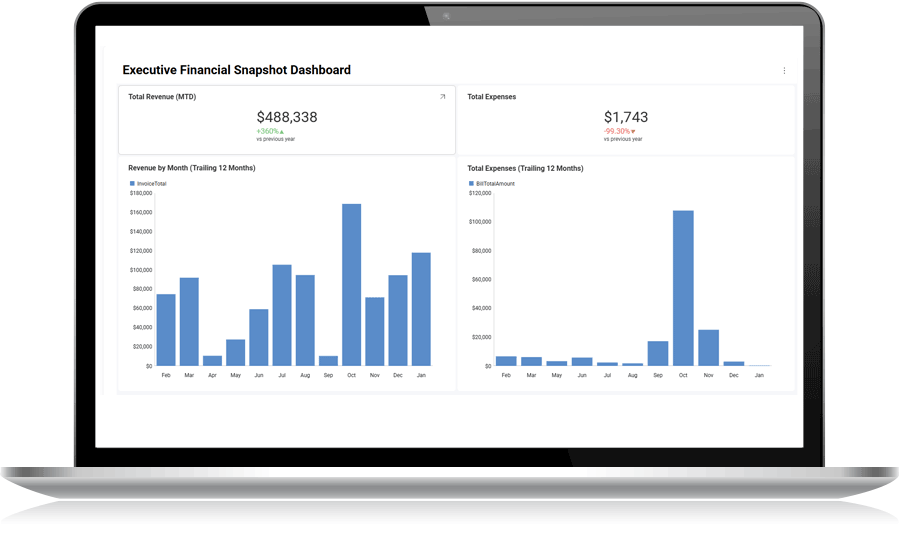
Standard Financial Reports
- Balance Sheet with inventory detail
- Profit & Loss by department, product line, or customer
- Cash Flow Statement with working capital analysis
- Trial Balance and account detail
- Comparative financials (month-over-month, year-over-year)
Manufacturing KPIs and Analytics
- Gross margin by product, customer, and sales channel
- Inventory turnover and days on hand
- Manufacturing efficiency: planned vs. actual hours
- On-time delivery percentage
- Order backlog and revenue pipeline
- Purchase price variance by supplier
Scalable ERP for Plastics Manufacturers with Lower Total Cost of Ownership
Small Custom Molder
- Affordable entry point with full plastics manufacturing functionality
- Concurrent user licensing keeps costs predictable
- 3-4 month implementation timeline
- Core modules: BOM, Jobs, Resin Tracking, Purchasing, Sales, Inventory
Mid-Size Plastics Manufacturers
- Multi-press and multi-facility operations
- Advanced scheduling and capacity planning
- Customer portals and supplier integration
- Business intelligence and custom dashboards
- Quality management system integration
Enterprise Plastics Manufacturers
- Multi-plant operations with centralized visibility
- Global resin sourcing and inventory management
- Advanced automation and API integrations
- Dedicated implementation and professional services
ERP Implementation Without the Guesswork
QT9 uses a structured implementation model to help growing organizations deploy ERP with clarity and control. From planning and data preparation to training and go-live, each phase follows defined milestones and measurable readiness criteria — keeping your team aligned & your rollout on track.
Implementation Planning + On-Site Discovery
Every successful ERP rollout begins with clarity. In this phase, we define objectives, scope, timelines and internal ownership. Through structured discovery sessions, we assess your current workflows, reporting needs and operational priorities. This ensures your QT9 ERP environment is aligned to real business requirements — not assumptions — before configuration begins.

FAQ: Plastics ERP
QT9 ERP tracks supplier resin lot numbers from receipt through production to customer shipment. The system maintains lot genealogy showing which resin lots were used in each production run. For regrind, QT9 tracks generation by job, maintains multi-generation traceability linking regrind back to source resin lots, and documents regrind percentage per batch for complete material traceability.
Yes. QT9 schedules jobs based on press tonnage requirements, tracks setup times for mold changes, monitors machine utilization, and shot count limits. The visual scheduling interface helps optimize press utilization and minimize changeover time.
Yes. QT9 supports customer-specific BOMs with unique resin specifications, colorant formulations, and material requirements. You can track customer-owned materials separately, manage consignment inventory, and maintain customer-specific pricing and configurations.
Yes. QT9 captures scrap by job, machine, and defect type. The system tracks regrind generation, calculates regrind cost offsets, analyzes scrap percentage by part and machine, and provides reporting for continuous improvement initiatives.
QT9 provides real-time job costing with material costs (resin, colorant, regrind), labor costs by press and operation, machine hour rates, setup costs, and overhead allocation. You can compare standard vs. actual costs, analyze profitability by job or customer, and optimize pricing based on actual production data.
Yes. QT9 supports injection molding, blow molding, extrusion, thermoforming, and secondary operations. You can configure BOMs and routings specific to each process type, track process-specific parameters, and manage different unit of measure conversions (shots, pounds, feet, etc.).
Typical timelines: 3-4 months for small custom molders, 4-6 months for mid-size operations, 6-12 months for multi-plant enterprises. Timeline depends on process complexity, number of presses, data migration, and customer resource availability.
QT9 provides API capabilities for integration with press controllers, material handling systems, and other manufacturing equipment. Speak with our team about your specific integration requirements.
Standard reports include resin lot traceability, job costing, machine utilization, scrap analysis, on-time delivery, customer profitability, and financial statements. Optional Business Intelligence (BI) Tool enables custom dashboards for plastics-specific KPIs like OEE, cycle time variance, and material yield.
More Manufacturing ERP Resources
How Electronic Batch Record Systems Keep Production Moving and Quality Connected

How to Choose the Right Traceability Software for Regulated Manufacturing

How New ERP Capabilities Strengthen Quality Workflows in Regulated Manufacturing
Try QT9 for Free
Ready to unify your business processes? No credit card needed.