
Native ERP and QMS Integration
One unified platform connecting quality management, manufacturing, inventory, purchasing and compliance in real time.
Why QT9 ERP + QMS Integration is Different
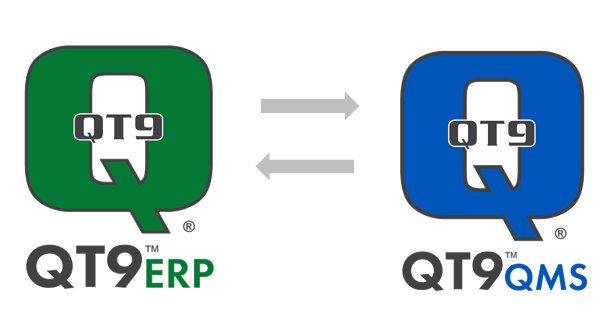
QT9 is the only company that has developed both a Quality Management System (QMS) and an Enterprise Resource Planning (ERP) platform from the ground up as a single, integrated solution. Unlike bolt-on integrations or third-party middleware, QT9 ERP and QT9 QMS share a unified architecture that allows real-time, bidirectional data flow between quality and operational processes.
For regulated manufacturers in industries, such as medical device, pharmaceutical, aerospace and other highly controlled environments, this native integration eliminates the complexity of managing separate systems. Manufacturing activity can automatically trigger quality workflows, inspection results flow directly into production records, and compliance documentation can be assembled in seconds.
The result is a single source of truth for quality and operations, removing duplicate data entry, eliminating synchronization failures and ensuring complete traceability across every stage of the manufacturing lifecycle.
Key ERP + QMS Integration Capabilities
QT9 connects operational processes in ERP with quality workflows in QMS so teams can manage inspections, manufacturing records, complaints, supplier quality and compliance documentation without duplicate entry or multiple systems. Integration ensures that quality and production data remain synchronized across the entire product lifecycle.
Receiving Inspections Connected to Purchase Orders
Incoming material inspections can be launched directly from ERP receiving transactions. Inspection records automatically inherit purchase order details, supplier information, lot numbers, and quantities, ensuring full traceability of incoming materials.
Quality Documents Available in Manufacturing
Controlled QMS documents such as work instructions, specifications, and procedures can be assigned to items in ERP so operators always access the correct revision directly from the job traveler on the shop floor.
In-Process Inspection During Production
Manufacturing routing steps can trigger inspection plans in QMS, allowing quality checks to occur at the exact stage where they are required while maintaining traceability to the job, lot, and operation.
Automated Device History Records and Batch Records
When production is complete, QT9 can automatically generate a Device History Record (DHR) or Electronic Batch Record (EBR) that compiles manufacturing data, inspection results, documentation, and approvals into a single audit-ready record.
Corrective Actions Triggered from ERP Events
Quality events such as supplier issues, production nonconformances, or customer returns can create CAPA or nonconformance records directly from ERP transactions, ensuring investigations begin with complete operational context.
Supplier Quality Integrated with Purchasing
Supplier performance, inspection results, and corrective actions remain tied to purchasing records and supplier data, enabling stronger supplier quality management and better visibility into vendor performance.
Customer Complaints Linked to Sales and Lot Traceability
Customer complaints and returns can be initiated from ERP sales orders, automatically associating affected lots, serial numbers, and shipment data with the quality investigation.
Real-Time Master Data Synchronization
Customers, suppliers, part numbers, and items automatically synchronize between ERP and QMS so both systems reference the same master data without manual duplication.
Core ERP + QMS Integration Workflows
QT9 ERP and QT9 QMS integrate operational data with quality workflows so manufacturing, inspection, compliance, and corrective actions operate from the same records while connecting purchasing, production, supplier management, customer feedback, and compliance documentation.
The Advantage of a Unified ERP and QMS Platform
Most companies rely on separate ERP and quality management systems connected through APIs, middleware or custom integrations. QT9 eliminates this complexity by developing both systems as a single platform, allowing operational data and quality workflows to work together without synchronization delays.
Built From the Ground Up as One Platform
QT9 is one of the only solutions that developed both its ERP and Quality Management System as a unified platform rather than connecting two separate products. Because the systems share a common architecture, quality events, manufacturing transactions and operational data flow seamlessly across both environments without the delays or failures common with third-party integrations.
One Vendor, Unified Support
Organizations that integrate separate ERP and QMS systems often face finger-pointing when integration issues arise. QT9 removes that risk by providing both systems from a single vendor. Implementation, integration configuration, updates and ongoing support are managed by the same team, simplifying deployment and long-term maintenance.
Designed for Regulated Manufacturing
QT9’s ERP and QMS integration was designed specifically for industries that require strict traceability and regulatory compliance, including medical device, pharmaceutical, aerospace, and other FDA-regulated manufacturers. The platform supports audit-ready documentation, device history records, electronic batch records and controlled quality workflows tied directly to manufacturing and operational data.
How QT9 ERP and QT9 QMS Work Together
QT9 connects operational ERP transactions with quality management workflows so manufacturing, inspections, compliance documentation and corrective actions all operate from the same data. This process ensures quality checks occur at the correct stage of production while maintaining full traceability across purchasing, manufacturing and customer support activities.
Operational Activity Begins in ERP
Manufacturing jobs, purchase orders, sales orders and inventory transactions are created and managed within QT9 ERP. These operational events serve as the starting point for many quality processes.
Quality Workflow Is Triggered
ERP transactions can trigger quality workflows such as incoming inspections, in-process inspections, CAPA investigations or complaint records in QT9 QMS.
Quality Activities Are Completed in QMS
Quality teams perform inspections, investigations, document reviews, and approvals within the QMS while maintaining connections to the original ERP transaction.
Results Sync Back to ERP
Inspection results, approvals, and quality outcomes update the related ERP record so production, inventory and operational decisions reflect the latest quality data.
Traceable Records Are Generated
QT9 can automatically assemble Device History Records, Electronic Batch Records, inspection documentation and audit-ready compliance records from the integrated data across both systems.
Industries that Benefit from ERP + QMS Integration
Organizations in regulated or highly traceable manufacturing environments often require tight integration between quality management and operational systems. However, businesses across all industries benefit from connecting ERP and QMS processes. QT9’s ERP and QMS platform brings manufacturing operations, quality workflows, compliance documentation, inspections and corrective actions together within a single system, helping organizations improve traceability, reduce manual data entry and maintain consistent operational and quality records.
Medical Device Manufacturing
Medical device manufacturers must maintain strict traceability and documentation across the entire product lifecycle. QT9 connects ERP and QMS processes to support FDA regulatory requirements while linking production operations with quality management workflows.
Key Capabilities
- Device History Record (DHR) generation
- FDA 21 CFR Part 820 compliance support
- Supplier quality management
- Complaint handling and CAPA management
- Lot and serial traceability across manufacturing
Pharmaceutical and Biotech
Pharmaceutical and biotech companies must maintain complete batch traceability while complying with strict regulatory requirements. QT9 integrates manufacturing operations with quality management processes to simplify compliance and maintain accurate batch records.
Key Capabilities
- Electronic Batch Record (EBR) generation
- FDA 21 CFR Part 211 compliance support
- Deviation and CAPA management
- Supplier qualification and material control
- Batch traceability across manufacturing
Aerospace and Defense
Aerospace manufacturers must maintain strong configuration control, inspection records, and supplier oversight to meet regulatory standards. QT9 integrates ERP and QMS workflows to support AS9100 compliance and maintain traceability across production and quality processes.
Key Capabilities
- First article inspection integration
- Nonconformance and corrective action management
- Supplier quality management
- Configuration and document control
- Lot and serial traceability
Automotive Manufacturing
Automotive manufacturers rely on tightly controlled quality and production processes to meet industry standards and supplier requirements. QT9 integrates ERP and QMS workflows to support continuous improvement and manufacturing quality management.
Key Capabilities
- PPAP documentation management
- Control plans linked to manufacturing processes
- 8D corrective action workflows
- Supplier quality management
- Production inspection integration
Food and Beverage
Food and beverage manufacturers require strong batch traceability and quality controls to maintain food safety and regulatory compliance. QT9 connects quality management and production processes to support recall readiness and product safety.
Key Capabilities
- Batch and ingredient traceability
- Supplier quality management
- Complaint and recall management
- HACCP documentation
- Production inspection and quality control
Integrated QT9 ERP + QT9 QMS vs Separate Systems
Many organizations attempt to connect separate ERP and quality management systems using APIs, middleware or custom integrations. While this approach can provide basic connectivity, it often introduces synchronization issues, higher implementation costs and operational complexity. QT9 eliminates these challenges by providing ERP and QMS capabilities within a single integrated platform designed specifically for regulated manufacturing environments.
QT9 ERP + QT9 QMS Integration FAQs
ERP and QMS integration connects enterprise resource planning systems with quality management processes so manufacturing, inspections, compliance documentation and corrective actions can operate from the same operational data. This integration allows organizations to maintain traceability across purchasing, production, supplier management and customer quality activities.
Integrating ERP and QMS systems ensures quality management processes remain connected to operational data. This allows organizations to automate inspections, track quality events, maintain traceability and generate compliance documentation using the same production and inventory records.
Yes. Many ERP systems can integrate with quality management software using APIs or middleware. However, these integrations often require custom configuration and ongoing maintenance. QT9 eliminates this complexity by providing ERP and QMS capabilities within a single integrated platform.
ERP and QMS integration provides several operational and compliance benefits, including:
- Improved traceability across production and quality processes
- Reduced duplicate data entry
- Automated inspection and compliance workflows
- Faster investigation of quality events
- Simplified regulatory documentation
Industries that operate in regulated or highly traceable manufacturing environments benefit the most from ERP and QMS integration. These industries commonly include medical device manufacturing, pharmaceutical production, aerospace manufacturing, automotive manufacturing and food manufacturing.
QT9 ERP includes basic quality functionality. Organizations that require advanced capabilities such as CAPA management, document control, audit management and training management typically implement QT9 QMS alongside ERP for a complete quality management solution.
ERP and QMS integration ensures manufacturing transactions, inspection records, quality events and compliance documentation reference the same operational data. This creates complete traceability across purchasing, production, supplier management and customer feedback processes.
Run Your Operation With Clarity and Control
See how QT9 simplifies operations today and scales with you tomorrow.