

Medical Device ERP Software for FDA and ISO 13485 Compliance
Manage device manufacturing, supplier quality, lot and serial traceability, and financial operations in a validated ERP platform designed for FDA 21 CFR Part 820, QMSR, 21 CFR Part 11 and ISO 13485 compliance.
Built for Medical Device Manufacturing Leadership
QT9 ERP supports the engineering, quality, operations and technology leaders responsible for developing, manufacturing and distributing regulated medical devices.
Production and Manufacturing Leadership
Gain real-time control of regulated device manufacturing operations.
- Device History Records (DHR) generated from production data
- Component lot traceability across assemblies and devices
- Production routing and work orders across manufacturing steps
- Serial number tracking across production and distribution
Quality and Regulatory Teams
Maintain audit readiness and regulatory control across the device lifecycle.
- Device History Records (DHR) compiled automatically
- Audit trails and electronic signatures for FDA compliance
- CAPA and nonconformance tracking across operations
- End-to-end device traceability across production and distribution
Supply Chain and Operations Leaders
Coordinate suppliers, components and production planning.
- Supplier qualification management and approved vendor tracking
- Component lot traceability across incoming materials
- MRP production planning aligned with demand forecasts
- Inventory visibility across facilities and warehouses
Finance and IT Leadership
Gain financial visibility and deploy a secure ERP platform.
- Cost of goods tracking by device and production lot
- Role-based system controls supporting secure operations
- Validated ERP environment supporting compliance
- Scalable infrastructure supporting multi-site manufacturing
ERP Trusted by Medical Device Manufacturers
Used by manufacturers across life sciences, medical devices, pharmaceuticals, aerospace and advanced manufacturing.
Built for Regulated Manufacturing
Unified ERP + QMS Platform
Scalable for Growing Device Manufacturers
Operational Benefits of Medical Device ERP
QT9 ERP helps device manufacturers accelerate product release, maintain traceability and scale production while remaining audit ready.
Accelerated Release
Structured workflows move devices from engineering transfer through final approval.
Reduced Risk
Maintain traceability across design, production and distribution.
Better Visibility
Replace disconnected workflows and databases with a unified manufacturing system.
Scaled Manufacturing
Support new device introductions, product lines and global distribution.
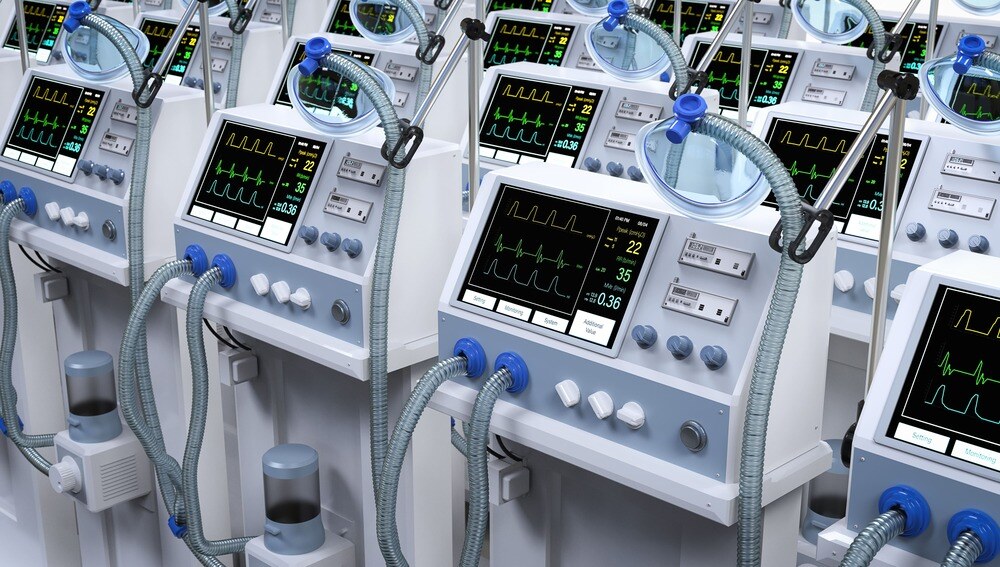
Tackle Medical Device Manufacturing Challenges
Medical device manufacturers must coordinate engineering, production, traceability and regulatory compliance across the entire device lifecycle.
Device History Records (DHR) and Medical Device Files (MDF) document how every device was manufactured, inspected and released. When production data is located across spreadsheets, paper records or disconnected systems, compiling accurate DHR documentation becomes slow and error-prone.
Medical devices often contain numerous components sourced from multiple suppliers. Without integrated traceability, identifying which component lots were used in each device or assembly becomes difficult during investigations or recalls.
Paper travelers, manual inspection logs and spreadsheet tracking increase the risk of incomplete documentation and transcription errors. These processes also limit real-time visibility into device manufacturing progress.
Engineering documentation and manufacturing systems often operate separately. This disconnect can lead to outdated specifications being used during production and complicate change control and revision management.
Regulatory inspections require immediate access to production records, traceability data and quality documentation. When records are scattered across systems or maintained manually, preparing for inspections becomes time-consuming and risky.
Medical Device ERP Software Built for Regulatory Control and Traceability
Medical device ERP software is an enterprise resource planning system designed specifically for regulated manufacturers. It integrates production planning, inventory control, supplier management, quality processes and financial operations within a single validated platform that supports FDA 21 CFR Part 820, ISO 13485 and global regulatory requirements.
Medical device manufacturers operate under the most stringent regulatory oversight globally. Every component, every process step, every finished device must be documented, validated, and traceable to meet FDA 21 CFR Part 820 Quality System Regulation (QSR)/Quality Management System Regulation (QMSR), and ISO 13485 requirements.
QT9 ERP delivers purpose-built capabilities for medical device manufacturers navigating FDA inspections, lot genealogy, Device History Records (DHR)/ Medical Device File, Device Master Records (DMR), and multi-jurisdictional compliance. Whether manufacturing Class I, II, or III devices, from surgical instruments and implants to diagnostic equipment and combination products, QT9 ERP provides the operational control, electronic documentation, and audit-ready traceability required to pass FDA inspections and scale profitably.
Why Medical Device Manufacturers Choose QT9 ERP
ERP Features Built for Medical Device Manufacturers
Quality Integrations
Synchronize quality events like CAPAs, NCRs and audits directly with production.
Lot / Serial Tracking
Automatically track components and finished goods through production and shipping.
Production Scheduling
Ensure on-time delivery with production planning tied to real-time inventory.
Supplier Management
Manage supplier qualifications, performance and documentation in one place.
eDHR, eDMR, eDHF
Electronically compile, store and retrieve device records for inspections or recalls.
Multi-Level BOMs
Equipment Maintenance
Schedule and track equipment calibration and preventative maintenance.
Customer Feedback
Manage device complaints and customer feedback efficiently with the Customer Web Portal.
RMA Process
Process Return Merchandise Authorizations (RMAs) linked directly to device quality investigations.
Medical Device Compliance and Regulatory Control
Support FDA 21 CFR Part 820 (QSR/QMSR), ISO 13485, EU MDR, and global requirements with controlled design records, manufacturing documentation and end-to-end traceability.
Design Controls
- Device History Records (DHF)
- Device Master Record (DMR)
- Medical Device File (MDF) with approved BOMs and specifications
- Engineering change control with impact assessment and approval workflow
- Document revision history with effectivity dates
- Attachment of design documentation to device master records
Production and Process Controls
- Standard operating procedures (SOPs) linked to manufacturing operations
- Work instructions accessible from shop floor interface
- In-process quality checkpoints with acceptance criteria
- Process validation data capture and batch consistency monitoring
- Equipment qualification tracking (IQ/OQ/PQ)
Material Controls
- Approved supplier lists and incoming inspections
- Component specifications and acceptance criteria
- Quarantine until QC release
- FIFO/FEFO inventory rotation with expiration enforcement
- Prevention of unapproved material use in production
Records and Documentation
- Device Master Records (DMR): approved BOMs, specs, labeling
- Device History Records (DHR) \ Medical Device File: manufacturing documentation for each batch/device
- Quality records: inspection results, deviations, CAPAs
- Distribution records: shipment tracking with lot and serial numbers
Medical Device Quality
- Risk management data integrated with manufacturing execution
- Traceability throughout design, production, and distribution
- Control of measuring and monitoring equipment (calibration tracking via QMS)
- Validation of processes for sterilization and aseptic operations
- Identification and traceability requirements for devices
EU Medical Device Regulation (MDR 2017/745)
- UDI-DI (Device Identifier) and UDI-PI (Production Identifier) tracking
- Economic operator registration data
- Technical documentation maintenance
- Post-market surveillance integration (via QMS)
Health Canada Medical Device Regulations
- Medical Device License (MDL) reference tracking
- Establishment License (MEL) multi-site support
- Incident reporting traceability
MDSAP (Medical Device Single Audit Program)
- Supports harmonized requirements across FDA, Health Canada, Brazil ANVISA, Japan MHLW, Australia TGA
Unified ERP and QMS Platform for Medical Device Manufacturers
Medical device manufacturers cannot afford disconnected systems between operations and quality. QT9 ERP and QT9 QMS operate as a single unified platform that eliminates duplicate data entry, fragmented workflows, and system reconciliation.
Quality events can originate directly from operational activity. Manufacturing data, documentation, and quality records remain synchronized in real time, creating a connected digital environment across engineering, production, and compliance.
Instead of managing separate software vendors and complex integrations, you gain one architecture, one database, and one accountable partner.
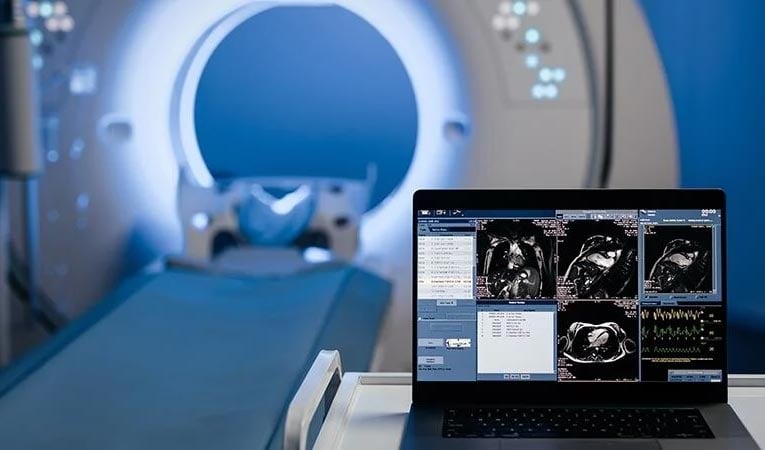
Financial Management for Medical Device Manufacturing
- COGS by device: material, labor, and overhead allocated to each production lot
- Variance analysis: standard cost vs. actual cost with root cause tracking
- Inventory valuation: FIFO, Average, or Standard costing methods
- Scrap and rework tracking with reason codes and cost impact
- Inventory accounts: raw materials (components, packaging), WIP, finished devices
- COGS accounts: direct materials, direct labor, manufacturing overhead, quality testing
- Expense accounts: R&D, clinical trials, regulatory submissions, post-market surveillance
- Revenue accounts: device sales, OEM sales, service revenue, extended warranties
- Track validation costs (IQ/OQ/PQ, process validation)
- Regulatory submission fees (510(k), PMA, CE Mark)
- Clinical trial expenses by product
- Post-market surveillance and vigilance costs
- Budget tracking for design changes and obsolescence management
- Gross margin by device family, customer segment, and distribution channel
- Inventory turnover and days on hand by component category
- Manufacturing efficiency metrics: yield percentage, cycle time, cost per unit
- Cash flow forecasting with long lead times for specialized components
- AR/AP aging and customer payment tracking
- Revenue recognition for consignment and rental models
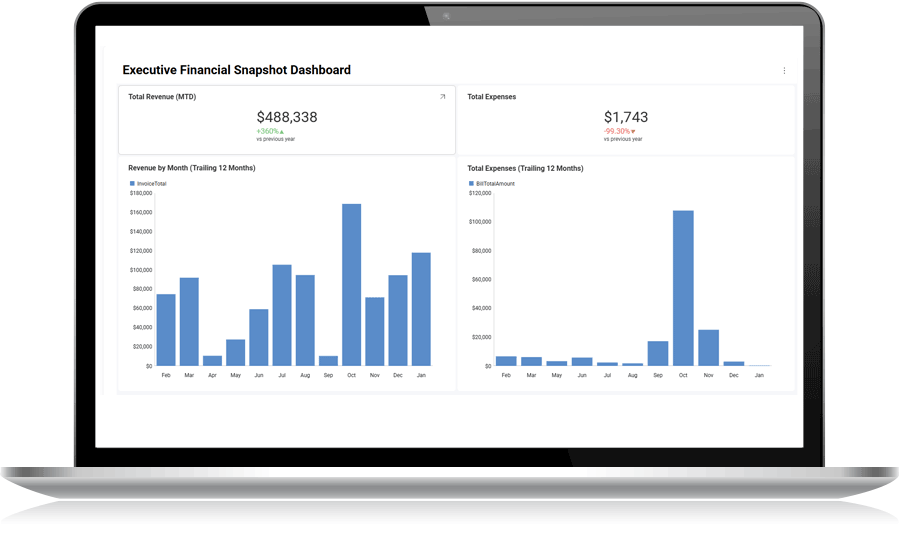
Standard Financial Reports
- Balance Sheet with inventory detail
- Profit & Loss by department, product line, or customer
- Cash Flow Statement with working capital analysis
- Trial Balance and account detail
- Comparative financials (month-over-month, year-over-year)
Manufacturing KPIs and Analytics
- Gross margin by product, customer, and sales channel
- Inventory turnover and days on hand
- Manufacturing efficiency: planned vs. actual hours
- On-time delivery percentage
- Order backlog and revenue pipeline
- Purchase price variance by supplier
Class I vs. Class II vs. Class III Medical Devices
Class I Medical Devices
(Low Risk)
Regulatory Controls: General controls
Typical Pathway: Most exempt from 510(k)
Examples: Bandages, manual surgical instruments, exam gloves
Class I devices present minimal potential for harm and typically require basic manufacturing controls, complaint handling, and recordkeeping. While regulatory burden is lighter, manufacturers must still maintain traceability, supplier qualification and documented production records.
Operational Impact:
Basic lot traceability, supplier documentation, and production records are essential.
Class II Medical Devices
(Moderate Risk)
Regulatory Controls: General + Special controls
Typical Pathway: 510(k) premarket notification required
Examples: Infusion pumps, powered wheelchairs, surgical drapes
Class II devices require demonstration of substantial equivalence to a predicate device. Documentation expectations increase significantly, including design controls, validation, calibration management and structured Device History Records (DHR).
Operational Impact:
Stronger lot control, UDI tracking, calibration oversight, electronic signatures, and formalized change control become critical.
Class III Medical Devices
(High Risk)
Regulatory Controls: Premarket Approval (PMA)
Typical Pathway: Clinical data required
Examples: Implantable pacemakers, heart valves, neurostimulators
Class III devices sustain or support life and carry the highest regulatory scrutiny. Manufacturers must maintain complete design history files, full DHR traceability, sterilization validation and rigorous post-market surveillance.
Operational Impact:
End-to-end digital traceability, validated systems, serialized tracking, and fully integrated ERP + QMS infrastructure are essential.
Higher device classification demands stronger system controls. QT9 ERP is built to support that escalation seamlessly.
Examples of Medical Device Product Types Supported by QT9 ERP
Orthopedic and Surgical Implants
- Typical workflow: Machining → surface treatment → cleaning → inspection → sterile packaging → final release
- Traceability: Raw material certifications (surgical steel, titanium, PEEK), lot tracking, UDI serialization
Surgical Instruments
- Typical workflow: Fabrication → assembly → inspection → cleaning → sterilization → packaging
- Traceability: Component lots, sterilization batch records, instrument set tracking
Cardiovascular Devices
- Typical workflow: Clean room assembly → inspection → sterilization → packaging → final QC
- Traceability: Serial number tracking, material biocompatibility records, sterility validation
Diagnostic Equipment
- Typical workflow: PCB assembly → integration → calibration → software validation → final testing → packaging
- Traceability: Electronic component lots, calibration records, software version control
Wound Care & Infection Control
- Typical workflow: Material cutting → assembly → inspection → sterilization → packaging
- Traceability: Raw material lots (gauze, adhesives, polymers), sterilization records, expiration dating
In Vitro Diagnostics
- Typical workflow: Reagent formulation → filling → labeling → stability testing → lot release
- Traceability: Reagent lot numbers, fill dates, expiration dates, stability study data
Combination Products
- Typical workflow: Device manufacturing → drug filling → sterility testing → regulatory release
- Traceability: Device lot + drug lot traceability, combined DHR and EBR documentation
ERP Implementation Without the Guesswork
QT9 uses a structured implementation model to help growing organizations deploy ERP with clarity and control. From planning and data preparation to training and go-live, each phase follows defined milestones and measurable readiness criteria — keeping your team aligned & your rollout on track.
Implementation Planning + On-Site Discovery
Every successful ERP rollout begins with clarity. In this phase, we define objectives, scope, timelines and internal ownership. Through structured discovery sessions, we assess your current workflows, reporting needs and operational priorities. This ensures your QT9 ERP environment is aligned to real business requirements — not assumptions — before configuration begins.
Early-Stage and Pre-Revenue Manufacturers
Start with the core functionality you need to manage product builds, engineering revisions, purchasing, and production tracking without unnecessary overhead.
- Structured workflows without enterprise-level complexity
- Centralized visibility across engineering and operations
- Controlled growth without spreadsheet dependence
- Foundation for future expansion
Ideal for startups preparing for first production runs or regulatory submissions.
Growth-Stage and Expanding Manufacturers
As production volumes increase and distribution expands, add advanced capabilities without disrupting operations.
- Multi-product and multi-facility visibility
- Enhanced planning and forecasting
- Integrated financial oversight
- Structured operational reporting for investors and leadership
Scale capacity, teams, and product lines without replacing your system.
Enterprise and Global Operations
Support complex manufacturing environments across regions, subsidiaries, and distribution networks.
- Centralized data across multiple locations
- Multi-entity and consolidated financial visibility
- Role-based operational controls
- Standardized processes across global facilities
No system migrations. QT9 ERP grows alongside your organization.
Built to Support International Medical Device Compliance

FDA 21 CFR Part 820
U.S. quality system regulation for medical device manufacturing and distribution

ISO 13485
International quality management criteria for medical device manufacturers
FDA 21 CFR Part 11
U.S. regulations for electronic records and signatures

EU MDR
European Union Medical Device Regulation
FDA QMSR
U.S. quality management system regulation aligning medical device manufacturers with ISO 13485
FAQ: Medical Device ERP
Yes. QT9 ERP generates electronic DHRs that automatically compile manufacturing data: materials consumed with lot numbers, operations completed with timestamps and signatures, inspection results with acceptance criteria, equipment assignments, and linked quality documents. DHRs are 21 CFR Part 11 compliant with electronic signatures and full audit trails. One-click PDF export for archiving and regulatory inspections.
QT9 ERP supports serial number assignment during manufacturing or packaging. You can configure serial number formats to include UDI-DI (Device Identifier) and UDI-PI (Production Identifier) components. Serial numbers link to complete lot genealogy showing all component lots used in each device. GS1-compliant barcode printing available for labels. Integration-ready with GUDID (Global UDI Database) submission tools.
Yes. QT9 supports sterile device workflows including cleanroom environmental monitoring data capture, sterilization batch records (autoclave, EtO, radiation), sterility testing results, and bioburden limits. Electronic batch records capture sterilization parameters, load configurations, and biological indicator results. Suitable for Class II and Class III devices requiring validated sterilization processes.
QT9 ERP handles manufacturing, inventory, purchasing, sales, and financial management. QT9 QMS handles quality system documentation including SOPs, training, CAPA, audits, deviations, complaints, and design controls. Both systems integrate natively. Most medical device manufacturers need both: ERP for operations and DHR generation, QMS for quality system compliance and regulatory submissions. Integration enables one-button DHR generation combining ERP manufacturing data and QMS quality records.
Yes. QT9 supports both contract manufacturing operations (CMO) and OEM relationships. For CMOs: customer-specific BOMs, lot segregation by customer, client portals for order visibility, and customer-specific DHR formatting. For OEMs using contract manufacturers: issue materials to CMO, receive finished devices, capture CMO batch documentation, and maintain full traceability through external processing.
Medical device implementations typically range from 3-6 months depending on scope and complexity. Timeline includes: Phase 1 (Scope/Planning): 2-4 weeks, Phase 2 (Configuration/Data): 4-8 weeks, Phase 3 (Training): 4-8 weeks, Phase 4 (Validation and Go-Live): 4-6 weeks. IQ/OQ/PQ validation occurs concurrently with implementation.
Yes. QT9 ERP supports multi-site operations with centralized visibility. Track inventory at internal manufacturing sites, distribution centers, and contract manufacturers. Each site has independent inventory locations and production capabilities. Executives see consolidated reporting across all sites. Transfer orders manage inventory movement between locations with full traceability.
More Manufacturing ERP Resources

QT9 ERP 2026 Update with Rework Management, Potency Tracking and New Integrations

Five Signs You’ve Outgrown Your ERP System

ERP in Supply Chain Management: How Manufacturers Gain Control, Visibility and Predictability
Try QT9 for free
Ready to unify your business processes? No credit card needed.